
Last updated November 2, 2026
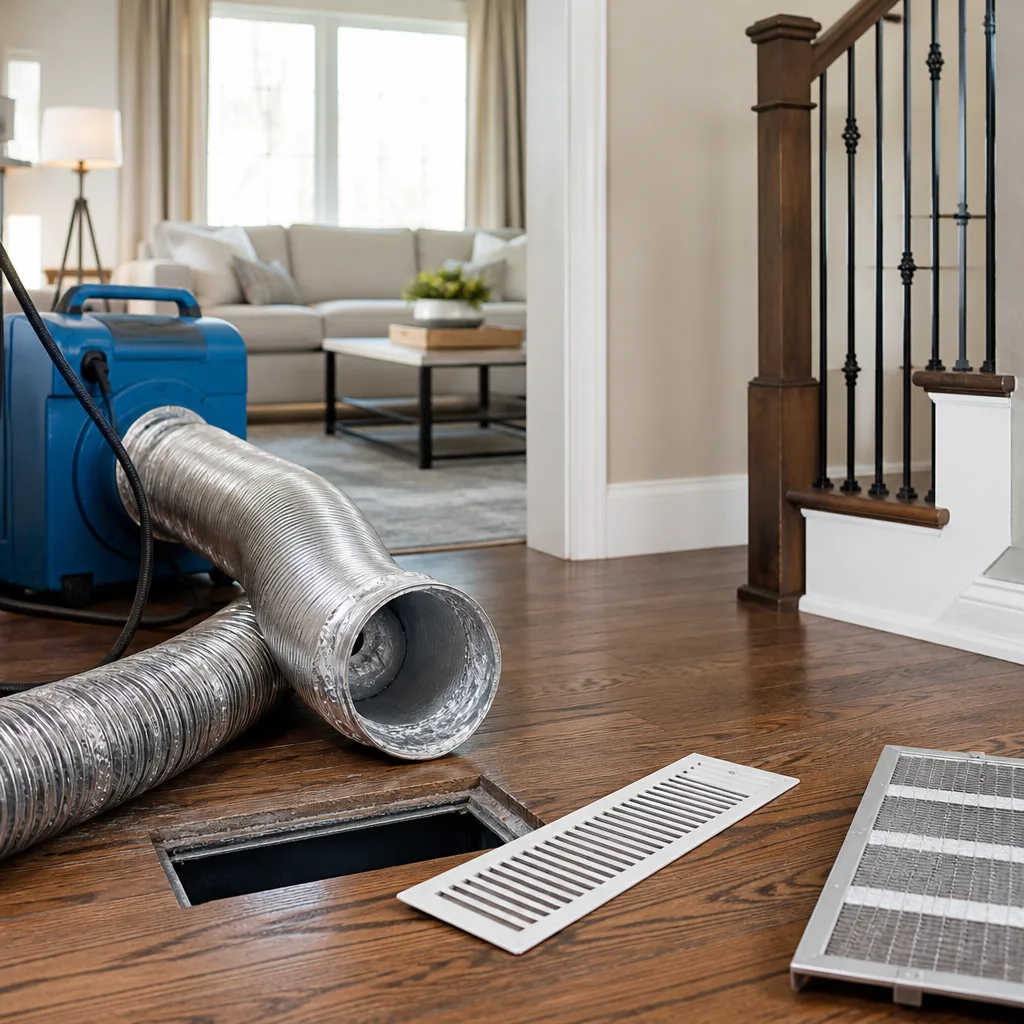 Whole-home duct cleaning
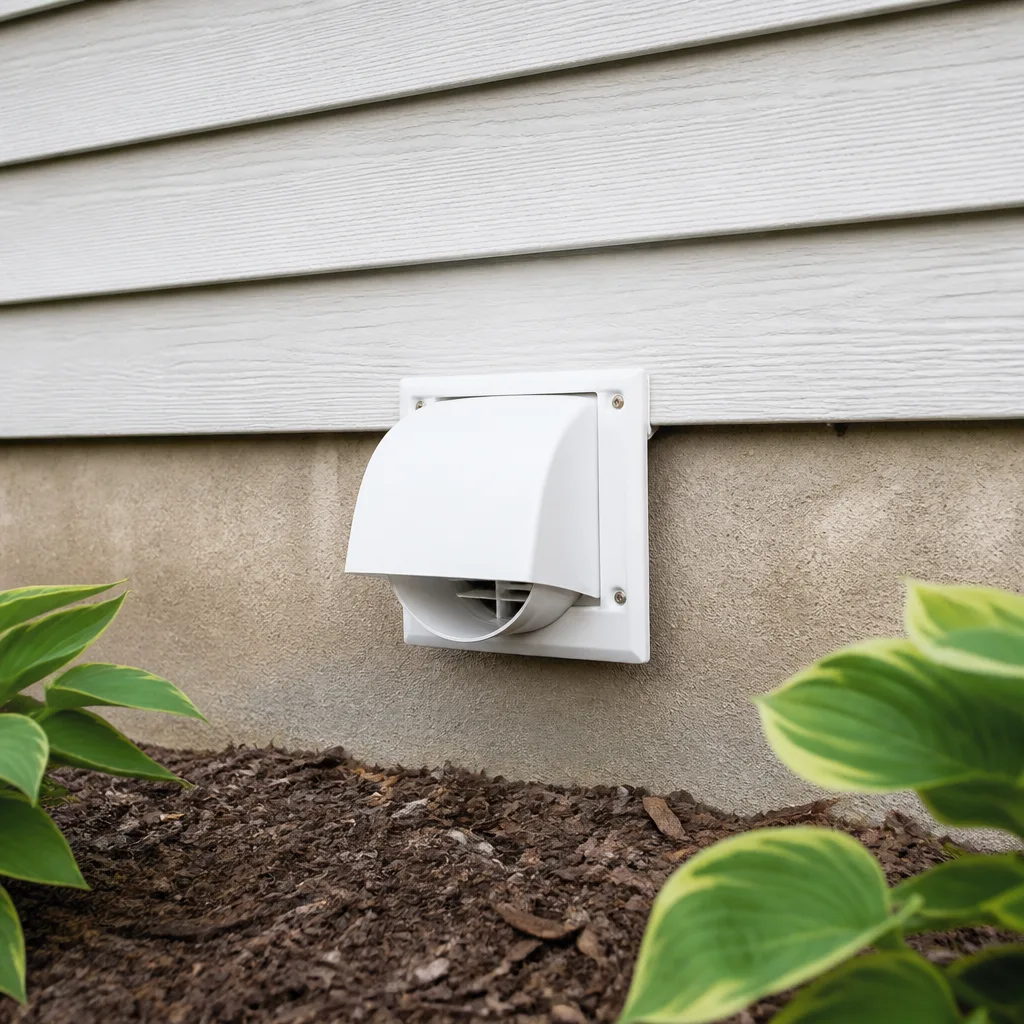 Dryer vent cleaning
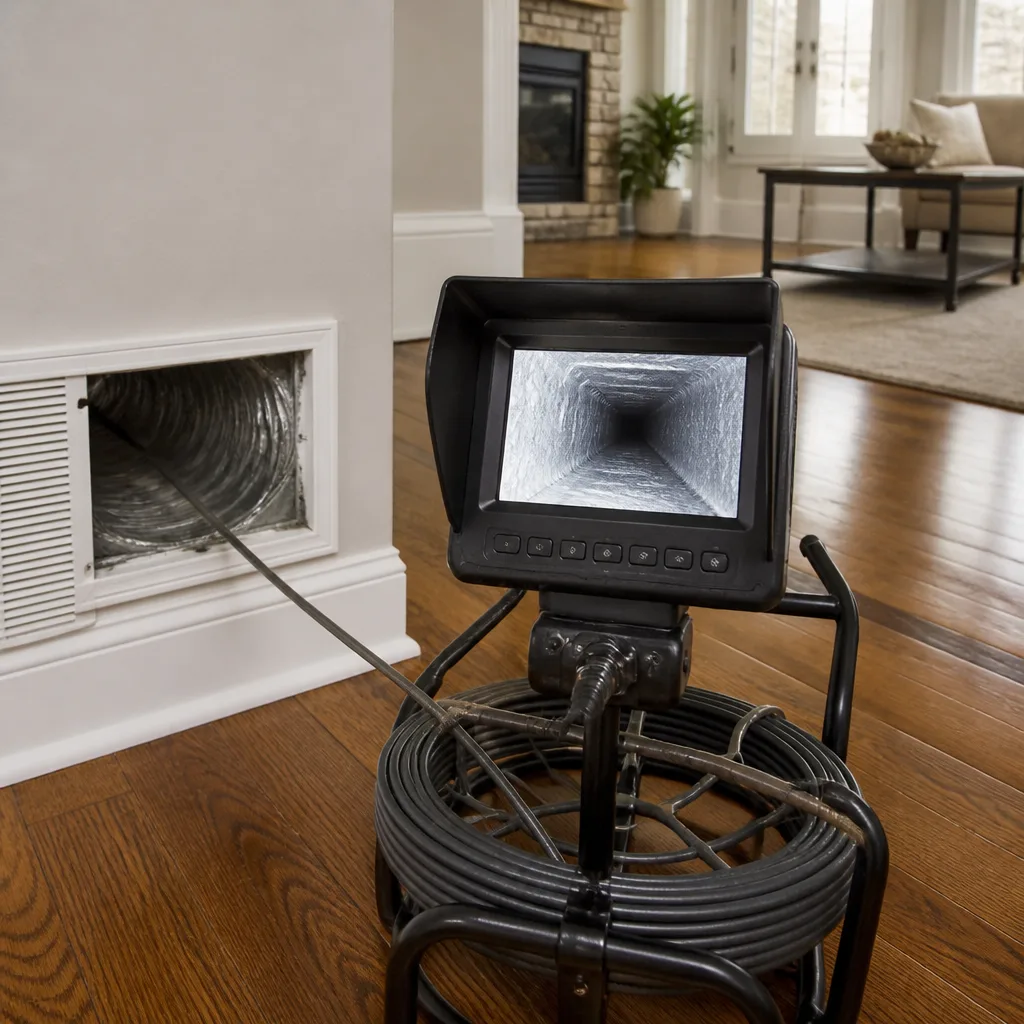 Camera inspection
 Sanitizing & deodorizing
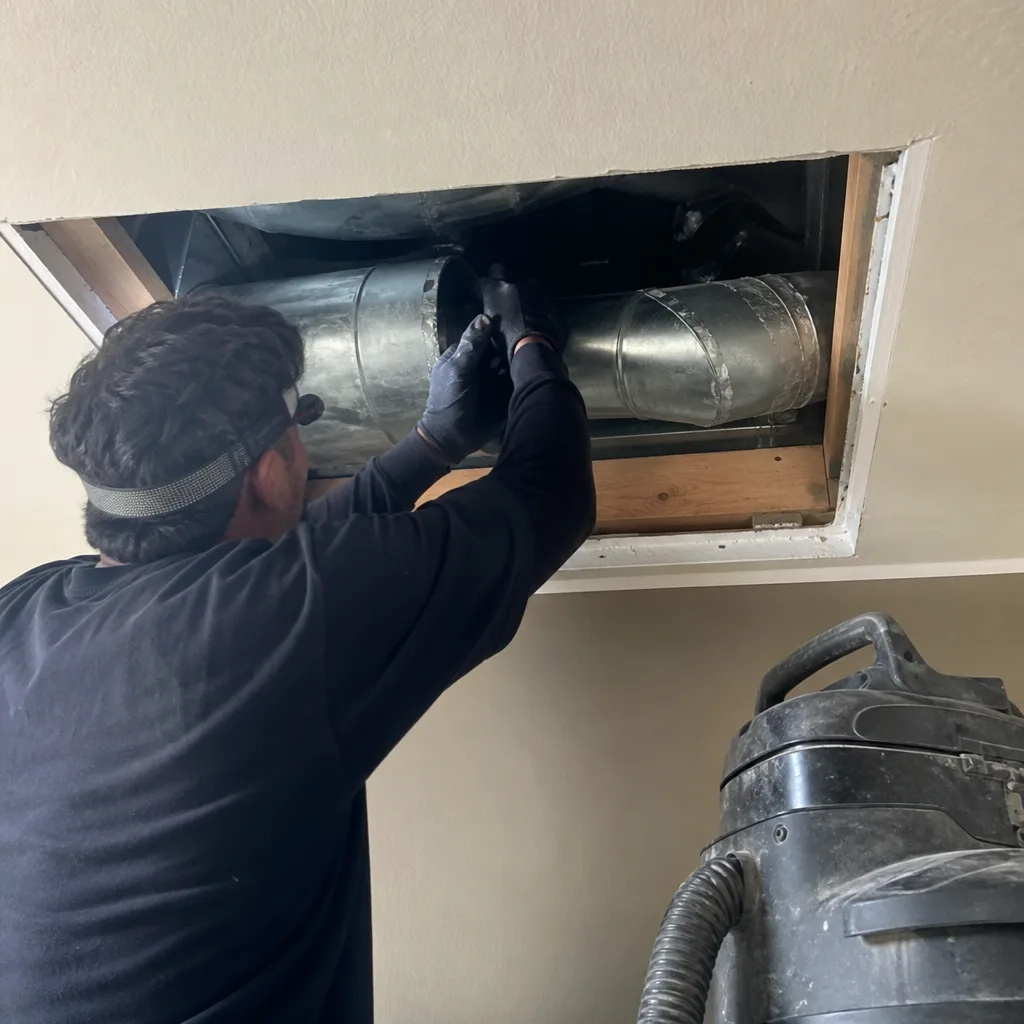
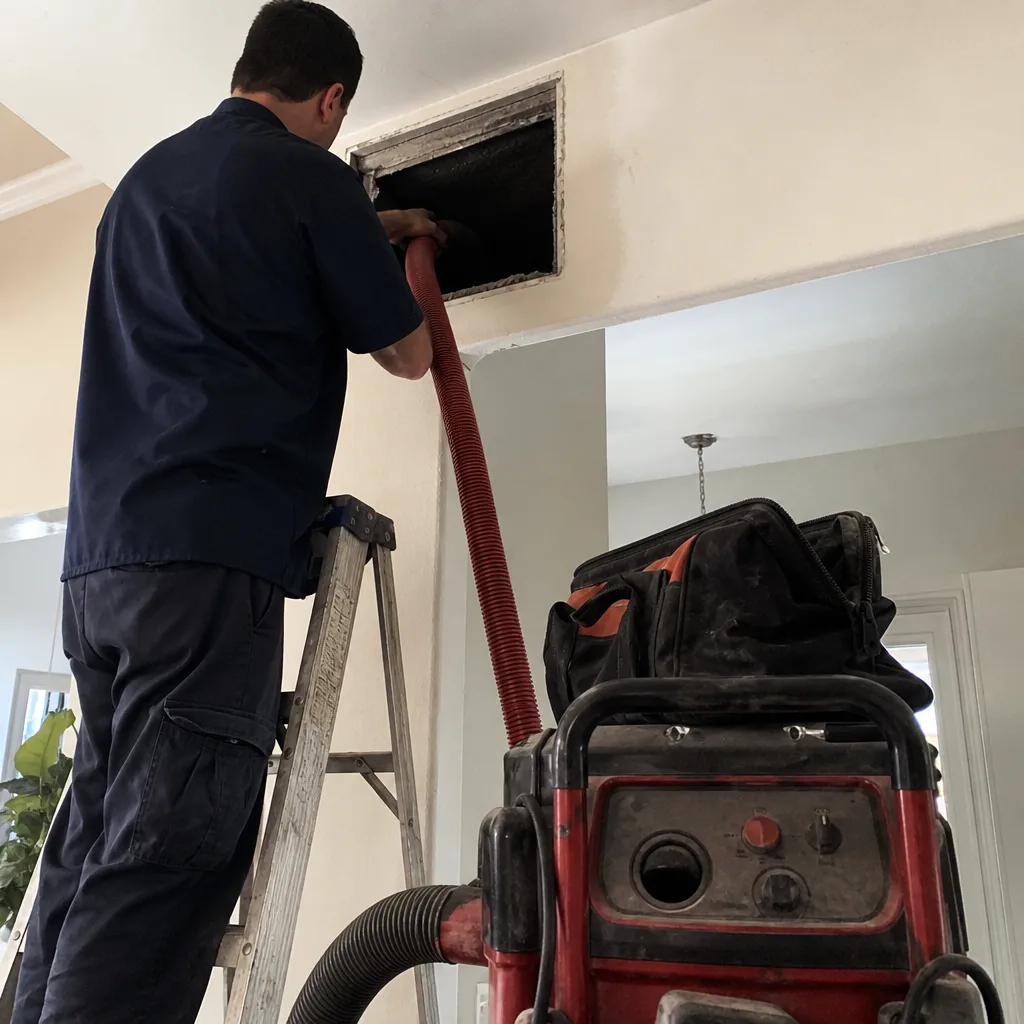
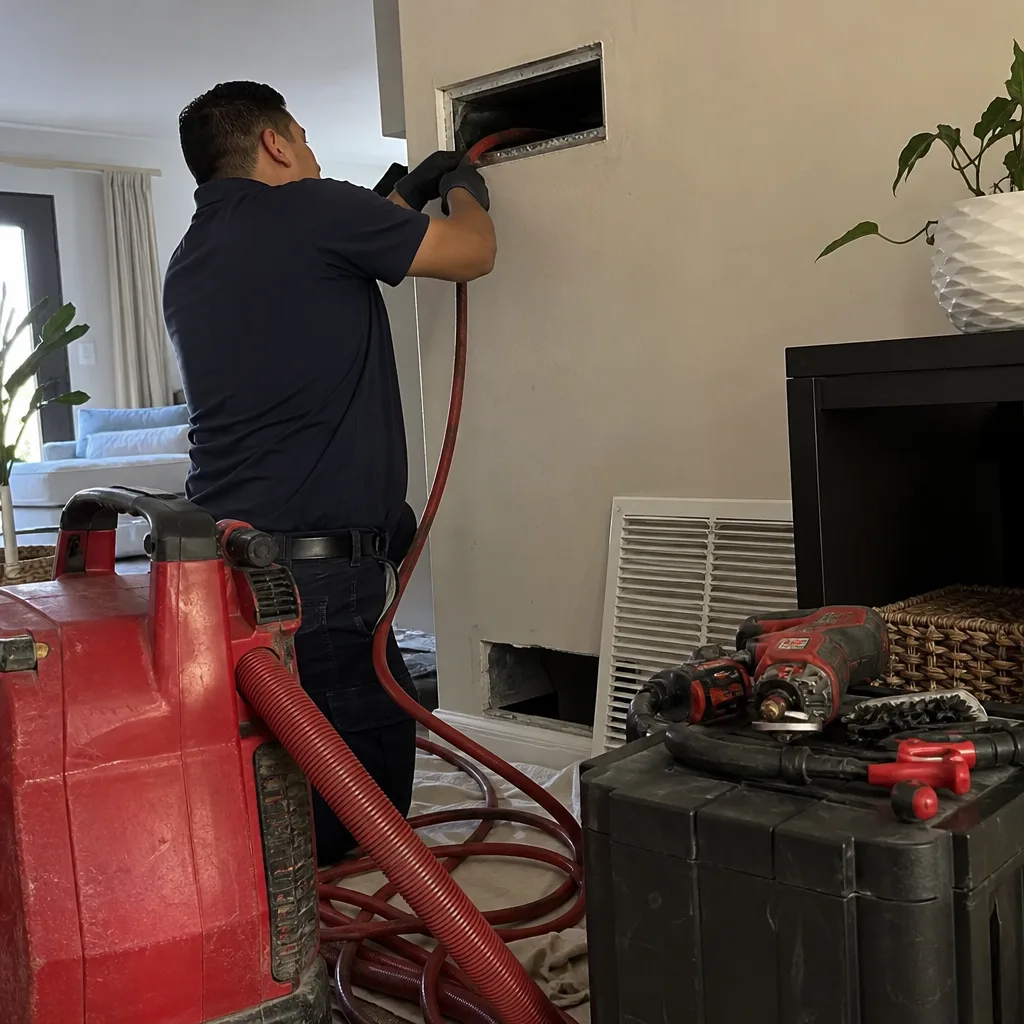
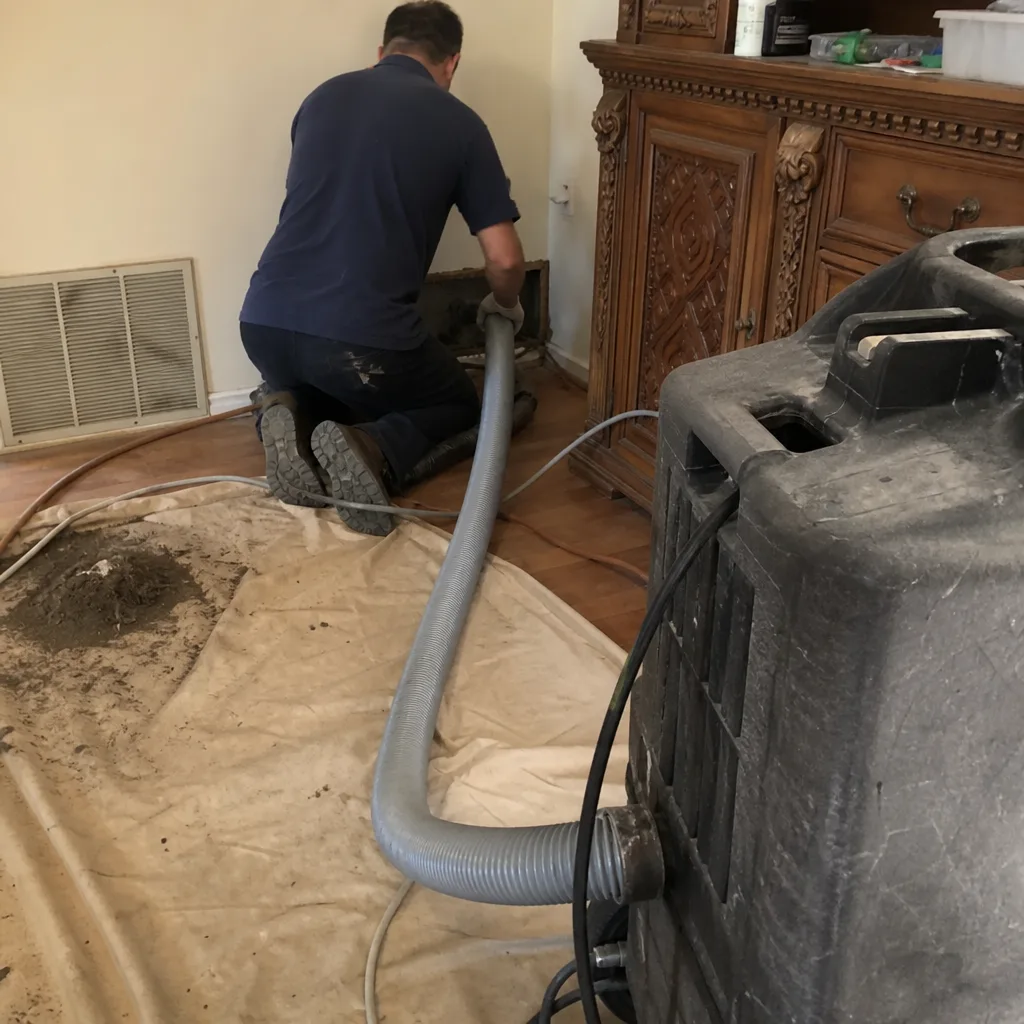
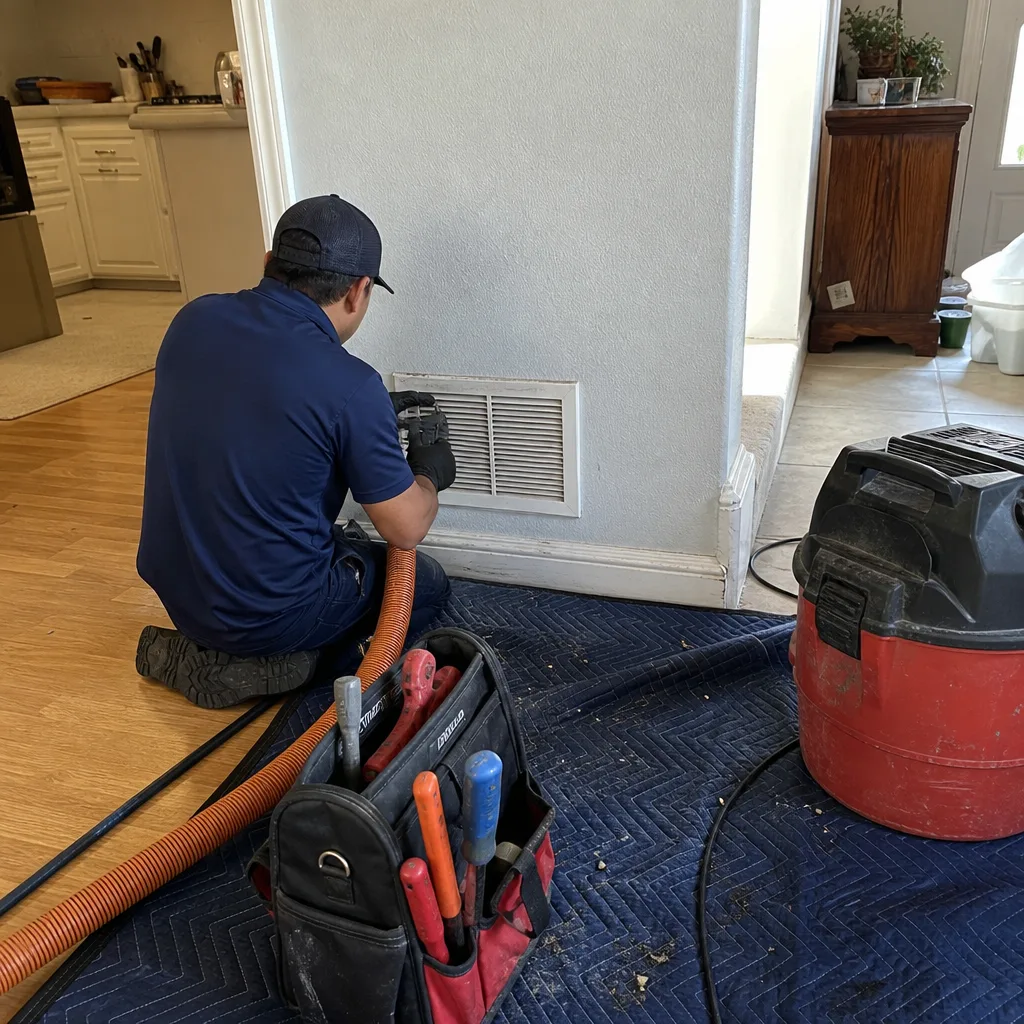
Whole-system duct and dryer vent check with before-and-after photos - you see exactly what came out of your vents
That "$99 whole-house special" is a bait ad - the real number appears once they are in your hallway, or the "clean" is a shop-vac at the register. We photograph the inside of your ducts before and after instead.
Air Duct Cleaning Troubleshooting: Common Problems and How to Fix Them
Most homeowners in Tustin call a duct cleaner because something feels off: a musty smell, dust on the registers, allergy symptoms that spike at night. They pay for the service. The van leaves. Two weeks later, the smell is back and the dust is settling again. The natural reaction is to assume the cleaning didn’t work. But after years of troubleshooting airflow and air quality issues across Tustin homes, here’s the pattern we see most often: the ducts were never the root problem in the first place. Or the cleaning was incomplete because the company used equipment that couldn’t actually reach the contamination. This Air Duct Cleaning Warning Signs: A Tustin Homeowner’s Reference Guide walks you through how to tell the difference, symptom by symptom, so you don’t pay for a second cleaning when what you actually need is a repair, a coil cleaning, or a better machine.
Quick Answer
If your ducts still look dirty or your home still smells after a cleaning, the two most likely culprits are incomplete cleaning technique and an undiagnosed source outside the ducts, like a wet evaporator coil, a disconnected return, or mold in the plenum. Start by identifying your specific symptom, then rule out the ductwork with a visual inspection and airflow test before scheduling another Air Duct Cleaning service.
Styles & brands we work with
- Whole-home duct cleaning
- Dryer vent cleaning
- Camera inspection
- Sanitizing & deodorizing
Table of Contents
- Post-Cleaning Debris vs. Ongoing Contamination
- Musty Odor: Why the Coil and Drain Pan Matter More Than the Ducts
- Weak Airflow in One Room: Duct Collapse, Disconnection, or Damper Failure
- Flex Duct Systems in Tustin: Why 1980s and 1990s Homes Fail Differently
- Static Pressure and Airflow Testing: Finding the Real Restriction
- Active Mold vs. Surface Dust: When Cleaning Was the Wrong Response
- Why Equipment Matters: Rotobrush Agitation vs. Suction-Only Cleaning
Post-Cleaning Debris vs. Ongoing Contamination
Here’s a fact that surprises many homeowners: a small amount of dust settling on registers and nearby surfaces in the 48 hours after a professional duct cleaning is normal. The agitation process dislodges particles that were stuck to duct walls for years. Not every particle gets captured in the vacuum stream. A fine dusting on a register face is expected and usually resolves within two days.
What’s not normal is dust reappearing week after week with no end in sight. When we troubleshoot homes in Tustin where the customer says “the ducts are already dirty again,” we look for one of three things: a return leak pulling attic air into the system, a filter that’s bypassing or missing, or a cleaning that never actually agitated the duct walls. Suction alone doesn’t knock loose the film that clings to duct surfaces, especially in flex ducts with ribbed interiors. You need mechanical agitation – brushes that physically contact the duct wall – to remove the coating that causes that ongoing dust.
- Normal: Light dust on registers for 48 hours post-cleaning, then stops.
- Not normal: Dust reappearing weekly for a month or more.
- Next step: Inspect the return side of the system and check filter seating.
If the filter has a gap around its frame or the cabinet door doesn’t seal, unfiltered air bypasses the entire system. That’s not a duct cleaning problem. That’s a mechanical repair issue, and it’s exactly the kind of thing a company that offers air duct repair in Tustin can resolve during the same visit.
Musty Odor: Why the Coil and Drain Pan Matter More Than the Ducts
A musty or mildew smell coming from your vents is one of the most common reasons homeowners call a duct cleaner. And in our experience, the ducts are often not the source. That smell typically originates at the evaporator coil, which sits above the furnace or inside the air handler. The coil operates wet whenever the air conditioner runs. The drain pan beneath it collects condensate. When dust, pet hair, and skin cells accumulate on the wet coil surface, they decompose and produce that familiar locker-room odor. The air handler fan then pushes that smell through the duct system.
This matters because cleaning the ducts alone won’t remove odor from a dirty coil. The coil sits in a different part of the system. A technician who only runs a vacuum through the supply and return runs will never touch it. If your home still smells musty two weeks after a duct cleaning, ask whether the coil and drain pan were inspected and cleaned. If they weren’t, the odor was never addressed.
- Run the fan with the AC off. If the smell fades, the odor source is likely the wet coil or drain pan, not the ducts.
- Check the overflow pan under the air handler for standing water. Standing water supports microbial growth.
- Inspect the coil surface with a flashlight. A visible gray or brown coating means it needs cleaning.
Homes in Tustin deal with this consistently because our warm season runs long and humidity collects in drain pans during the shoulder months when AC cycles less frequently. A professional-grade cleaning that includes coil and pan cleaning – along with containment measures like those Abatement Technologies air filtration devices provide – addresses the odor at its source instead of just masking it in the ductwork.
Weak Airflow in One Room: Duct Collapse, Disconnection, or Damper Failure
When one bedroom in a Tustin home stays warm in summer or cold in winter while the rest of the house feels fine, the problem is rarely dirt. Weak airflow isolated to one room points to a structural issue: a duct that has collapsed, disconnected, or been crushed. Dirt creates a gradual restriction across the entire system. A single dead room means something happened to that specific duct run.
The most common culprit in crawlspace and attic systems is disconnection. Duct sections are joined with mechanical fasteners and tape. Over years of thermal cycling, the tape dries and the joints separate. A separated joint in an attic means a portion of your conditioned air is blowing into the attic instead of the bedroom. The room starves while the attic gets air-conditioned. That’s not a cleaning issue. That’s a repair.
Dampers are another overlooked cause. Many systems have manual volume dampers near the main trunk. A damper that’s been bumped or knocked closed during insulation work or pest control service will throttle one branch line while the rest of the system performs fine. We’ve found closed dampers in Tustin homes where the previous owner adjusted them and never reopened them.
- Check for a damper on the branch line serving the weak room.
- Listen near the air handler for hissing that indicates a joint separation.
- Look for temperature differences in the attic: a hot spot near a duct run means leakage.
This is where the repair capability matters. A company that only cleans ducts will tell you the problem isn’t dirt (good) and then leave you to find a separate contractor for the repair (not good). We handle both sides of that equation during one appointment, which is the practical difference between a cleaning-only service and a full Duct Cleaning Tustin home service that actually fixes airflow.
Flex Duct Systems in Tustin: Why 1980s and 1990s Homes Fail Differently
Large swaths of Tustin were built during the tract-home boom of the 1980s and 1990s, and those homes almost universally used flexible ductwork. Flex duct is a wire coil wrapped in plastic and insulation. It was fast and cheap to install, which made it perfect for production builders. It also fails in specific ways that sheet metal ducts don’t.
The inner liner of flex duct sags over time. A run that was pulled taut at installation gradually loses tension as the outer jacket ages and the support straps loosen. The liner develops ripples and low spots where debris accumulates and where airflow turbulence increases. Worse, if the flex was installed with sharp bends or kinks – common in tract construction where speed trumped craft – the interior diameter narrows and static pressure climbs. A kinked flex duct can reduce airflow by half without ever looking dirty.
Cleaning flex ducts requires different considerations than cleaning rigid sheet metal. The ribbed inner liner makes it harder for suction alone to remove the film that bonds to the plastic surface. Agitation tools like the Rotobrush systems we run are designed to contact that ribbed wall and dislodge what simple vacuuming leaves behind. But if the flex run is sagging or kinked, no cleaning tool will fix the airflow problem. The run needs to be rehung or replaced.
- Sagging liner: Accumulates debris in low spots, creates turbulence, reduces airflow.
- Kinked run: Reduces interior diameter, raises static pressure, starves the room.
- Loose straps: Allow the duct to shift and separate at joints.
- Crushed outer jacket: Often caused by attic storage or pest activity.
If you own a home in neighborhoods like Tustin Meadows, Laurelwood, or the areas around Old Town built in that era, flex duct condition should factor into any air quality investigation.
Static Pressure and Airflow Testing: Finding the Real Restriction
When a system has airflow problems that aren’t explained by a visible disconnection or a closed damper, the next diagnostic step is measurement. Static pressure is the resistance to airflow inside the duct system. Every duct, fitting, filter, and coil adds resistance. When resistance climbs too high, the blower can’t move enough air through the system. The symptoms look like dirty ducts – weak airflow, poor temperature control, dust settling – but the cause is mechanical.
A technician measures static pressure with a manometer, taking readings on both the return and supply side of the blower. Total external static pressure should typically sit below 0.5 inches of water column for most residential systems. Higher readings mean the system is working against excessive resistance. Common causes we’ve found in Tustin homes include undersized returns, overly restrictive filters, and flex duct runs that were never properly supported. None of those are solved by cleaning.
There’s also a basic airflow test homeowners can perform without special tools. Hold a tissue near each supply register while the system runs. Compare the movement at the strongest register to the weakest. A dramatic difference between rooms suggests a restriction in the branch line serving that room, not a system-wide issue. If every register feels weak, the problem is likely at the filter, coil, or blower motor.
- Replace the filter with the least restrictive option appropriate for your system if airflow is poor everywhere.
- Check every room’s register for comparable airflow.
- Have static pressure measured if weakness is system-wide and the filter is clean.
A failing blower motor can also mimic dirty ducts. Blower motors lose output as they age. A motor that once moved 1,200 CFM might now be moving 700. The fix is motor replacement, not another cleaning. That’s why a diagnostic approach matters more than assumptions.
Active Mold vs. Surface Dust: When Cleaning Was the Wrong Response
Occasionally, we walk into a home where the real problem is active mold growth inside the duct system or on the coil. Mold is not something a standard duct cleaning addresses. It requires a completely different protocol: source identification, moisture correction, and either professional remediation or component replacement. Cleaning without fixing the moisture source simply buys a few weeks before the growth returns.
How do you tell the difference? Surface dust is loose and powdery. It smears easily with a fingertip and responds to brushing. Mold, especially active growth, is often darker, tacky to the touch, and may have an earthy or musty smell that intensifies when the system runs. It also tends to follow moisture: around the coil, in the drain pan, at the point where a duct run sags and collects condensation, or in areas where roof leaks have dripped into the attic.
In Tustin’s coastal-summer climate, condensation inside ductwork is a real risk when humid air meets cold duct surfaces. Poorly insulated flex duct is especially vulnerable. If you suspect active mold, skip the cleaning coupon. Have the system inspected by someone who understands moisture dynamics and containment. Abatement Technologies air filtration devices are the same units used in professional remediation settings, and they’re part of our standard setup when we encounter suspect growth. The point is containment: if you disturb mold without controlling where the particles go, you can spread contamination through the house that wasn’t there before.
Why Equipment Matters: Rotobrush Agitation vs. Suction-Only Cleaning
The difference between a duct cleaning that works and one that doesn’t often comes down to the machine. Suction-only cleaning – a big vacuum connected to one end of the system – pulls loose dust out of the duct but leaves behind the film and debris adhered to the walls. In flex duct, that adhered layer is exactly what causes ongoing dust issues. Suction can’t scrub.
Agitation systems solve this. A Rotobrush system combines a rotating brush head with simultaneous vacuum extraction. The brush contacts the duct wall, mechanically dislodging the buildup, while the vacuum captures it at the same time. That’s the professional standard for a reason: it actually removes the material that causes problems instead of just picking up what’s floating loose. Paired with HEPA-rated filtration from a Nikro vacuum, the process captures fine particulates rather than recirculating them into the living space.
Containment is the piece most homeowners never think about. When you agitate a dirty duct, you’re stirring up everything that’s been sitting in there – dust, pet dander, insect debris, sometimes worse. Without proper containment and negative-air setup, those particles can drift into the home during the cleaning process itself. We run Abatement Technologies air filtration devices during service to capture airborne particulates before they become a problem. That’s what separates a professional operation from a guy with a shop vac and a website.
If you’re comparing quotes, ask which equipment the company uses by name. If they can’t tell you, that’s an answer in itself. In Tustin, we’ve built our entire approach around doing the work with the right tools, including the capability to identify and repair duct issues during the same service call rather than handing you a list of problems and leaving.
Common Mistakes to Avoid
- Assuming a musty smell means dirty ducts. In most Tustin homes, the source is a wet coil or drain pan. Clean the wrong thing and the smell returns in two weeks.
- Paying for a second cleaning without checking for duct leaks. A disconnected return in the attic will keep pulling dust into the system no matter how many times the ducts are cleaned.
- Using the cheapest filter you can find. Fiberglass mesh filters let fine particles through and contribute to coil fouling. Use a pleated filter appropriate for your system’s static pressure budget.
- Ignoring flex duct sag and kinks in older tract homes. Tustin neighborhoods built in the 1980s and 1990s have flex duct that’s now 30 to 40 years old. Airflow problems often trace to duct condition, not dirt.
- Hiring without asking about equipment. If the company can’t name their cleaning system, they’re likely running suction-only gear that won’t remove adhered debris from duct walls.
- Disturbing suspected mold with a standard cleaning. Without containment and a moisture resolution plan, you can make a localized problem into a whole-house problem.
See the difference
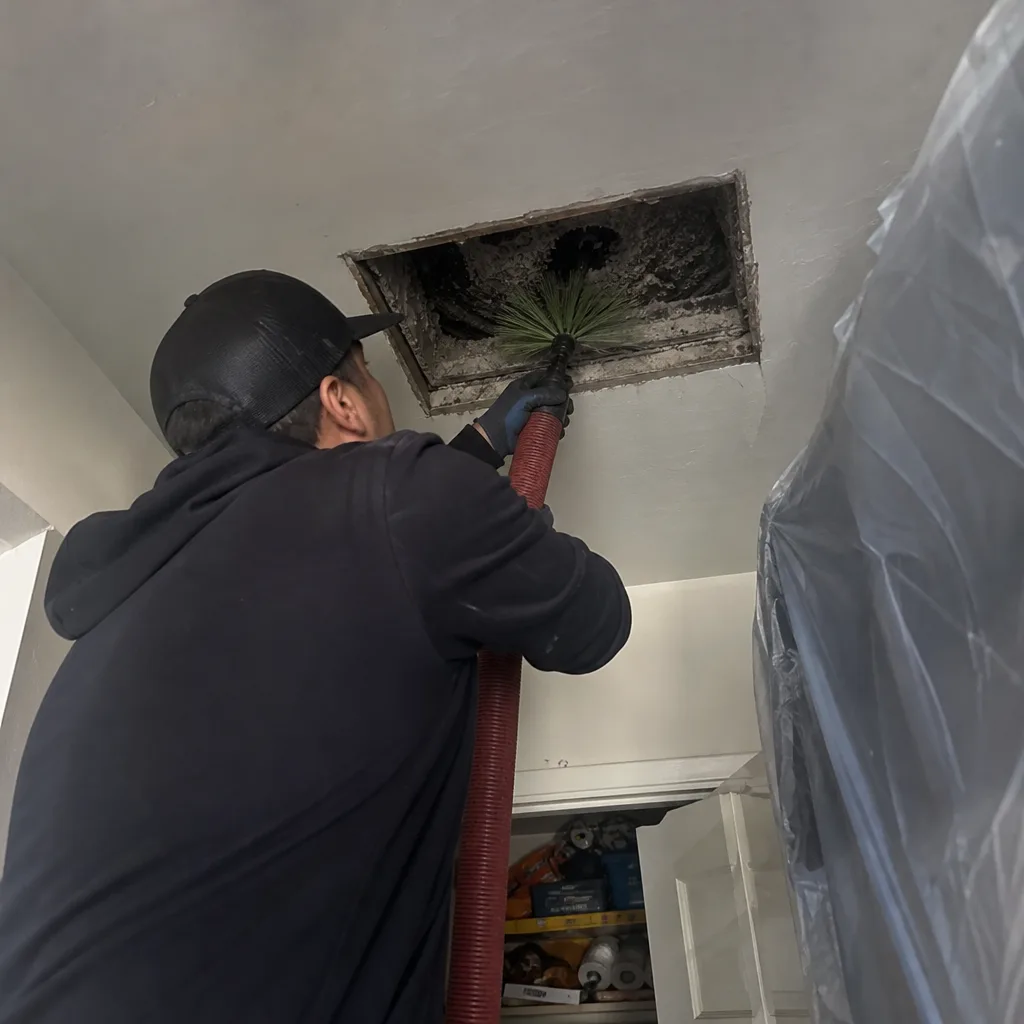 Before
 After
 Before
 After
 Before
 After
When to Call a Professional
Call a professional when the symptom persists after a cleaning, when one room’s airflow is noticeably different from the rest of the house, when you see visible mold or standing water in or near the system, or when your flex duct is sagging and you can see the liner pulling away. These are diagnostic situations, not quick-fix scenarios. Duct Cleaning Tustin offers free estimates in Tustin – call (855) 473-2840 and we’ll help you figure out what’s actually going on.
Frequently Asked Questions
If your ducts still look dirty immediately after a cleaning, the service likely used suction-only equipment that couldn’t agitate the adhered debris from the duct walls. Some dust fallout in the first 48 hours is normal; visible buildup remaining on register boots and accessible duct surfaces means the cleaning was incomplete.
Whole-system duct cleaning in Tustin typically runs between $400 and $900 depending on the number of supply runs, the accessibility of the air handler, and whether the coil and blower are included. One flat price per system agreed before work starts is the standard to look for – not per-vent pricing that changes after the technician arrives. Call (855) 473-2840 for an exact quote. Estimates are free.
Cheaper quotes usually mean suction-only equipment, no agitation, no containment, and no coil or blower cleaning. The technician arrives with a portable vacuum, spends 45 minutes, and leaves the adhered debris and real problems untouched. You end up paying again for the job that should have been done the first time.
Ask for before-and-after photos of the inside of your ducts, not just the registers. A professional company using agitation equipment can show you the difference on the duct walls themselves. If they only photograph the register covers, that tells you nothing about what happened inside the system.
Most Tustin homes benefit from duct cleaning every 3 to 5 years. Homes with pets, recent renovations, or residents with allergy or asthma concerns may need it more frequently. The National Air Duct Cleaners Association recommendation is every 3 to 5 years, but the real answer depends on what you find when you look inside.
You can clean your register covers and replace your filter, but reaching the full duct run requires professional equipment. Consumer tools can’t reach more than a few feet into the system, and without HEPA filtration, you risk blowing the debris you disturb back into your living space. Air duct cleaning in Tustin with professional equipment is a job worth hiring out.
The Bottom Line
Persistent air quality or airflow problems after a duct cleaning usually mean one of two things: the cleaning didn’t actually address the source, or the source was never in the ducts to begin with. Musty odors point to the coil and drain pan. Weak airflow in one room points to a disconnected or collapsed duct. Dust that returns week after week points to return leaks or a bypassing filter. Tustin’s older flex duct systems fail in predictable ways that require repair more often than cleaning. Before you pay for another service, identify the symptom, inspect what’s actually happening, and call a company that carries the right equipment and knows the difference between a cleaning problem and a repair problem.
Written by the team at Duct Cleaning Tustin, serving Tustin since 2018. Explore more guides & resources.
Contact Duct Cleaning Tustin
If you’re dealing with persistent air duct problems in Tustin and want a diagnosis, not a guess, call us at (855) 473-2840 for a free estimate. We run Rotobrush agitation systems with Nikro HEPA filtration and Abatement Technologies containment – and we can handle dryer vent cleaning in Tustin and air duct repair in Tustin during the same visit. One flat price per system, agreed before work starts.